Carpet Cleaning in SW7

Our carpet cleaning in SW7 is designed to refresh fitted carpets and loose rugs with a careful, fibre-aware approach. We work on everyday soil, tracked-in grit, drink marks and the dulling that builds up in busy rooms, using methods suited to the material and condition of the carpet rather than a one-size-fits-all routine. The aim is straightforward: cleaner carpets, a tidier finish and better day-to-day presentation for homes and premises that need dependable care.
The service can be tailored for regular maintenance, a single deep clean or targeted treatment of noticeable wear. Different carpets respond differently to moisture, agitation and stain treatment, so we assess pile type, dye stability and access before choosing a method. That matters on natural fibres, patterned carpet, fitted stairs and rooms with a mix of hard and soft flooring, where a cautious process helps protect the finish while still achieving a thorough result.
Alongside the main carpet work, we can also discuss related soft-furnishing cleaning where it supports the overall condition of a room. If you want a clearer idea of scope or the most suitable approach for your carpets, you can request a quotation when you are ready.
How we approach carpet care
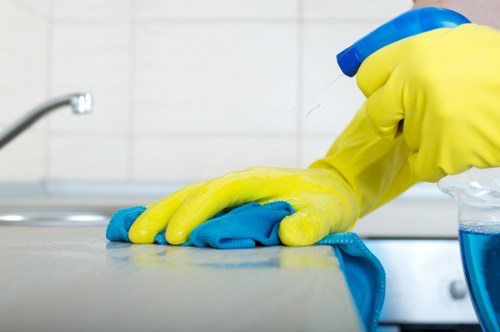
Effective carpet cleaning starts with the right preparation. Loose debris is removed first so that embedded grit does not interfere with the deeper clean, and attention is then given to the areas that collect the most traffic, such as hallways, reception spaces, stair treads and the edges of rooms. That sequence helps the cleaning method work on the fibres themselves rather than only shifting surface dust around. The result is a more even finish and a better chance of lifting the marks that sit below the visible pile.
We also pay attention to stains and localised spots before treating the whole carpet. Some marks respond to fibre-safe pre-treatment, while others need a more restrained approach to avoid spreading the stain or affecting the colour. In practice, this means choosing the right balance between dwell time, agitation and extraction or rinse stages. A sensible method reduces the risk of overwetting and helps carpets dry in a more controlled way, which is especially useful in rooms that are used continuously.
When carpets are heavily soiled, the aim is not simply to make them look bright for a moment, but to leave them properly refreshed without unnecessary wear. If you are comparing options, the simplest next step is to tell us about the carpet type and the rooms involved, then we can narrow the most practical service path for you.
Stairs, landing carpets and shared areas

Stair carpets and landings often need a slightly different approach from flat rooms because the shape of the area, the compact pile wear and the number of touch points can all vary from step to step. We clean these spaces with attention to corners, nosings and the narrow sections that collect dust and soil. On stair runs, the work needs to be methodical so that each section is cleaned evenly and the finish remains consistent from bottom to top.
Shared circulation areas in homes and smaller commercial settings can also benefit from this type of focused cleaning. These parts of a property tend to show wear early, not because the carpet is poor quality, but because they carry footfall from many different directions. Cleaning them properly can improve the overall impression of the room sequence, especially where the stair carpet meets a hallway runner or where fitted carpet leads into a lounge, office or bedroom.
For customers with several carpeted areas, it is often useful to plan the work in a simple order: the highest-use spaces first, the more delicate fibres second and any stain-prone sections last. That keeps the process orderly and avoids unnecessary backtracking. If you are preparing an enquiry, a short note about the rooms, the carpet material and any known marks is enough to start the conversation.
Stain treatment and fibre-sensitive cleaning
Not every stain should be treated in the same way. Food and drink marks, general grime, pet-related soiling and residue from everyday products each behave differently, so the treatment has to match the source and the carpet fibre. A safe approach is to work from the least aggressive method upwards, rather than reaching immediately for stronger products that may alter texture or colour. This is one reason a professional carpet clean can be more reliable than a blanket DIY attempt.
Fibre-sensitive work is especially important on carpets with a more delicate finish, where too much moisture or the wrong cleaning chemistry can cause distortion. Wool carpets, blended piles and older fitted carpets all deserve careful handling, and even sturdier synthetic carpets can be affected if residues are left behind. The process should leave the fibres cleaner, not sticky or overloaded with detergent. Where appropriate, the cleaning can be paired with targeted treatment around high-contact areas such as sofa fronts, chair legs and doorway thresholds.
For customers who want a broader refresh, it can make sense to combine carpet cleaning with other soft furnishings or floor surfaces in the same visit, provided the chosen methods are compatible. That is not about adding unnecessary work; it is about creating a more even finish across the room. If you are unsure what should be included, a brief outline is enough for us to prepare the right quotation.
What helps a carpet clean go smoothly

There are a few simple details that make carpet cleaning more efficient and more accurate. Knowing which rooms need attention, whether furniture can be moved, and whether there are recent spills or older problem areas all helps shape the work. It is also useful to mention the carpet fibre if you know it, though this is not essential. These practical details let the cleaning plan focus on the real condition of the carpet, not on guesswork, and they reduce the chance of delays on the day.
If you are booking for a property with several occupants, it helps to note which spaces are private and which are shared, especially in hallways, stairs and communal living areas. A simple photo set can sometimes assist with quoting, but it is the written description that matters most: what needs cleaning, how large it is, and whether there are any areas that need special care. We keep the process straightforward so that the proposal reflects the work rather than a generic template.
Helpful details to include when you enquire:
- room names and approximate carpeted areas
- visible stains, traffic wear or odours
- any delicate fibres, stair runs or fitted landings
- whether loose rugs or associated upholstery need attention
Rugs, upholstery and related soft furnishings
Many customers ask about cleaning beyond the fitted carpet, and it is sensible to look at soft furnishings as a group when the room contains matching fabrics. Rugs may need different handling from wall-to-wall carpet because of backing materials, dyes and the way they are used. Upholstered pieces such as sofas, armchairs and dining chairs also gather dust and body oils in a different pattern from floor coverings, so the cleaning method should be chosen separately for each item. The goal is a consistent result, not an identical treatment.
Where rug cleaning is included, the process depends on fibre type, construction and the level of soiling. Some rugs can tolerate more intensive cleaning than others, while decorative or antique pieces may need a gentler response. Upholstery cleaning follows the same principle: test carefully, work from the cleaner areas to the dirtier ones, and avoid over-wetting seams or padding. These choices are important because soft furnishings can look visibly improved while still remaining structurally sound.
To keep things manageable, it often makes sense to separate the work into clear categories before the visit. That makes the quotation clearer and helps avoid confusion over what is being cleaned. If you want carpet cleaning plus one or two related items, we can usually discuss the options together and agree what is practical for the property and fabric involved.
About SW7
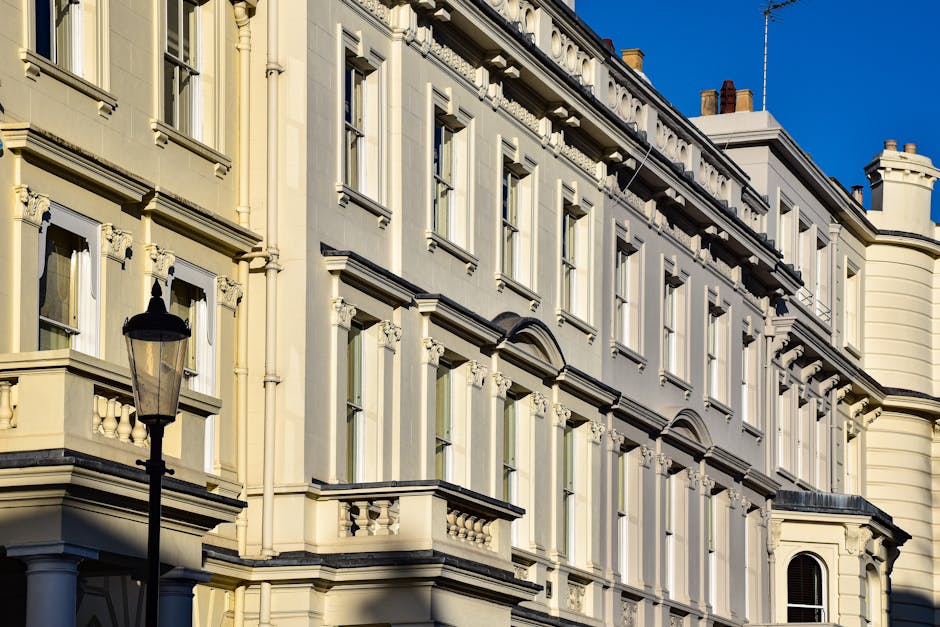
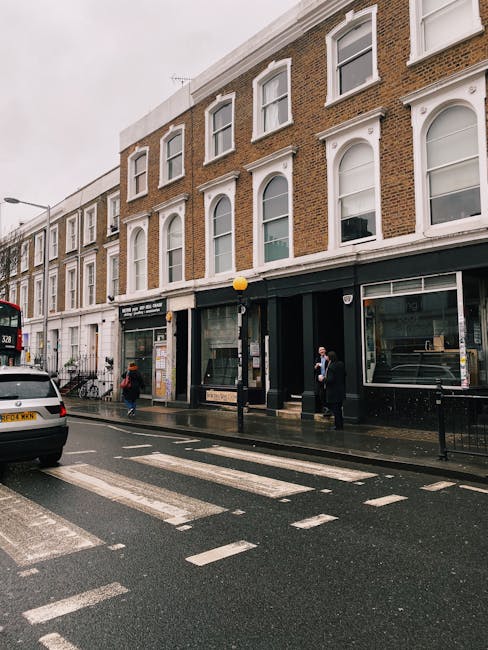
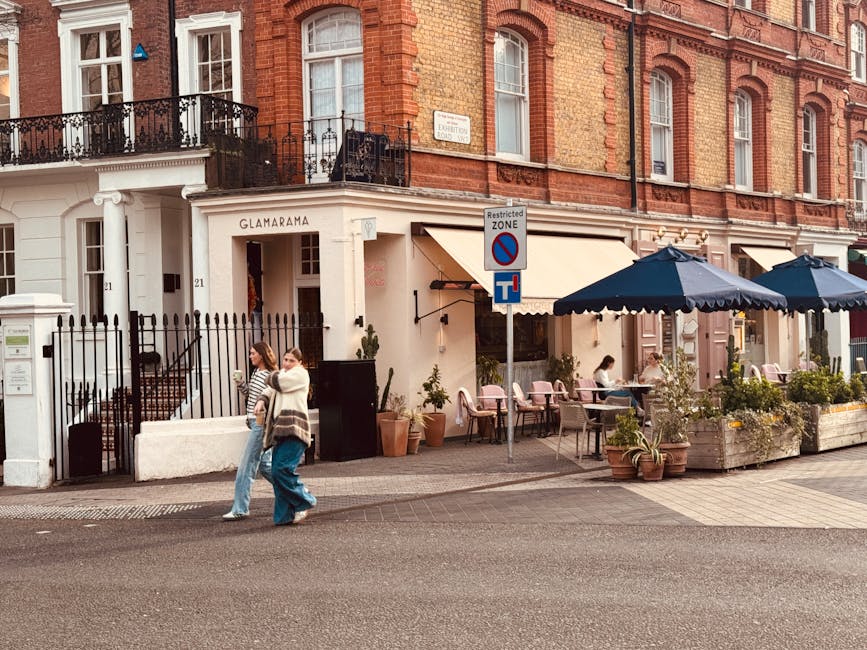
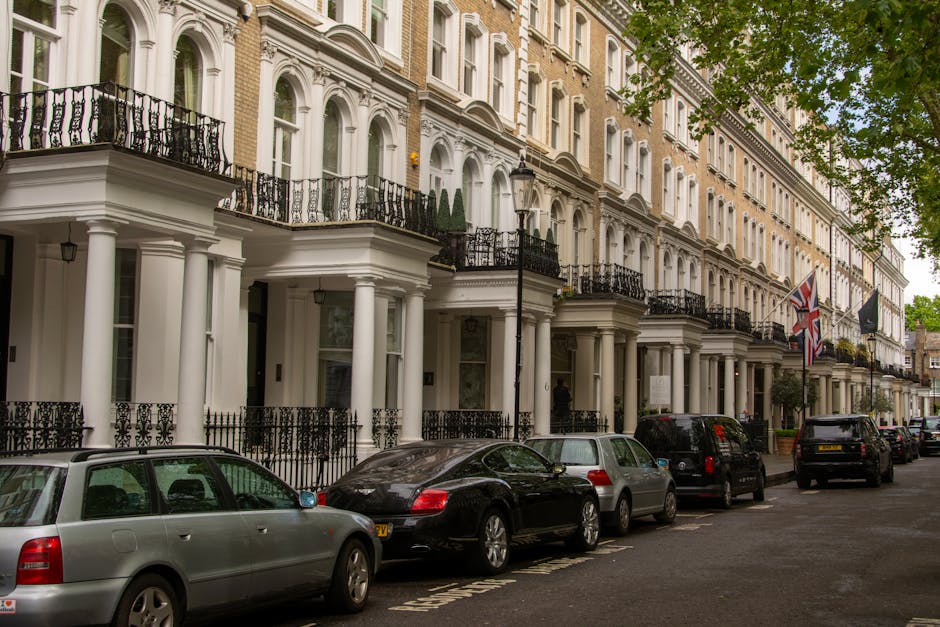
SW7 covers part of South Kensington in west London, an area shaped by grand Victorian and Edwardian streets, museum institutions and a strong residential character. Its street pattern includes elegant terraces, mansion blocks and garden squares that reflect the district’s development during the nineteenth century, when the area grew alongside the expansion of the capital and the rise of purpose-built urban housing. The neighbourhood is also known for its cultural concentration, with the Natural History Museum, the Victoria and Albert Museum and the Science Museum forming a major trio along Exhibition Road. That road itself has become a prominent public route linking institutions, open space and busy foot traffic, while the nearby Imperial College campus adds an academic presence to the district. Hyde Park and Kensington Gardens lie close to the north-east, giving the area access to large green space within walking distance of the busy streets around Cromwell Road, Queens Gate and Thurloe Place. The Royal Albert Hall stands nearby as another landmark with long-standing cultural importance, and the area’s architecture continues to attract attention for its formal façades, stucco-fronted terraces and carefully maintained communal squares. As a place, SW7 combines tourism, scholarship, housing and heritage rather than belonging to any single character, and that mix is visible in both the streets and the institutions that line them.
Pricing factors and quotation details

Carpet cleaning quotes usually depend on the size of the area, the fibre type, the degree of soiling and whether there are stains, odours or access challenges. A flat room with standard synthetic carpet may be straightforward, while stairs, landings, patterned rugs or heavily marked areas often require more time and a more careful cleaning sequence. That is why it helps to describe the property honestly and in enough detail for the estimate to reflect the actual work rather than an assumed average.
We can also take into account whether the job is a one-off clean or part of a broader refresh involving other soft furnishings. Where the work includes multiple rooms, the time needed for preparation, treatment and drying may influence the overall plan. The most useful quotation is the one that matches the condition of the carpet and the practical access to it, so a clear summary of your requirements will always help. If you need a simple point of reference, the most direct way forward is to ask for a quotation and outline the areas involved.
For a smoother enquiry, keep the description focused on facts: the rooms, the carpet condition and any specific concerns. That gives us enough context to advise on the right service path without unnecessary back-and-forth. If the quote needs to cover several items, list them together so the scope is clear from the start, then we can shape the work accordingly.
Why regular carpet care matters
Carpets in busy homes and shared settings absorb more than visible dirt. Fine grit settles into the pile, fibres flatten under repeated footfall and everyday residue can make the surface look tired long before it is truly worn out. Regular cleaning helps manage that build-up, supporting both appearance and the practical condition of the carpet. It is not only about making a room look brighter for a short period; it is about keeping the textile in a better state for longer.
Well-timed cleaning can also help reduce the need for more intensive work later. If stains are dealt with while still fresh and traffic areas are cleaned before the pile becomes deeply compacted, the carpet is easier to maintain. That is particularly relevant in rooms that see continuous use, such as hallways, sitting rooms, family spaces and stairs. In those areas, a measured routine is usually better than waiting until the carpet looks obviously exhausted.
We can advise on a sensible cleaning interval based on the type of carpet and the amount of use it receives, but the decision remains yours. Some customers prefer a one-off refresh before guests or a property changeover, while others want a more regular maintenance pattern. Either way, the most effective plan is the one that matches the carpet’s material and the way the room is actually used.
Booking a carpet clean
When you are ready to book, the process is easiest if you keep the first message concise and practical. Tell us which carpets need cleaning, how many rooms are involved and whether there are stairs, rugs or upholstery to include. If there are specific stains, mention them briefly rather than trying to describe every mark in detail. That gives enough information to shape the work without turning the enquiry into a long exchange of questions. A short, clear summary is usually all that is needed to get started.
It also helps to say whether the work needs to be done around other household or workplace activity, particularly if access to rooms is limited at certain times. We can then look at the most suitable cleaning approach and timing for the property. For a quotation, send the room list and any relevant notes, and we will take it from there with a practical response that focuses on the job itself rather than unnecessary extras.
The main aim is simple: to make the carpet cleaning plan easy to understand and easy to approve. If you want to move ahead, get in touch with your room details and ask for a quotation today.